Laboratory of Biosensors and Analytical Microsystems
The history of the Laboratory dates back to 1980, when Prof. Władysław Torbicz introduced the subject of ion-sensitive field-effect transistors (ISFET) to IBIB PAN. Thanks to an appropriately selected chemosensitive layer applied to the transistor gate, it became possible to develop sensors detecting various analytes, including ions.
Currently, the Laboratory conducts advanced research on:
- voltammetric sensors, created using the proprietary direct printing technology,
- methods of biofunctionalization of (bio)chemically active surfaces,
- P-o-C type microanalytical systems (point of care - for tests at the point of sampling), intended for the determination of various bioanalytes, including biologically active substances.
The Laboratory's activity focuses on the development of modern sensor technologies that are used in medical diagnostics and chemical and biological analyses.
Team:
| Researchers | Phone | Email: | Scientific advisor |
|---|---|---|---|
| Assoc. Prof. Kamila Sadowska, DSc. PhD - Head of the Laboratory | 136 | ksadowska@ibib.waw.pl | |
| Prof. Dorota G. Pijanowska, DSc. PhD | 414 | dpijanowska@ibib.waw.pl | |
| Marek Dawgul, PhD | 115 | mdawgul@ibib.waw.pl | |
| Agnieszka Paziewska-Nowak, PhD | 112/139 | apaziewska@ibib.waw.pl | |
| Elżbieta Remiszewska, PhD | 139 | eremiszewska@ibib.waw.pl | |
| Marcin Urbanowicz, PhD | 112/139 | murbanowicz@ibib.waw.pl | |
| Vu Bao Chau Nguyen, PhD | 140 | cnguyen@ibib.waw.pl | |
| prof. Władysław Torbicz, DSc. PhD, profesor emeritus | 115 | wtorbicz@ibib.waw.pl | |
| Anna Sołdatowska, MSc | 112/139 | asoldatowska@ibib.waw.pl | Assoc. Prof. Kamila Sadowska, PhD, DSc |
| PhD students | |||
| Kornelia Bobrowska, MSc | 112/139 | kbobrowska@ibib.waw.pl | Dr hab. inż. Kamila Sadowska; dr inż Marcin Urbanowicz |
| Aleksandra Zieminska, MSc | 140 | azieminska@ibib.waw.pl | Assoc. Prof. Kamila Sadowska, PhD, DSc |
Head of the Laboratory

Assoc. Prof. Kamila Sadowska, PhD, DSc
Assoc. Prof. Kamila Sadowska, DSc. PhD - Head of the Laboratory
e-mail: ksadowska@ibib.waw.pl
ORCID: 0000-0002-5271-8730
Google Scholar
Linkedin
An alumna of Gdansk University of Technology, she earned her Master of Science in Engineering in 2005 and her Ph.D. in Technical Sciences (specializing in chemical technology) in 2009 from the same institution. In 2018, she obtained D.Sc. from the West Pomeranian University of Technology in Szczecin. Her research is interdisciplinary, positioned at the intersection of chemistry, materials engineering, and biomedical engineering. She has extensive practical expertise in the synthesis and functionalization of nanomaterials, as well as in the techniques used to characterize their physicochemical properties. Her current scientific focus involves developing methods for the detection and treatment of bacterial infections, particularly through point-of-care diagnostic and therapeutic approaches. She has served as a doctoral thesis supervisor (auxiliary supervisor, Gdansk University of Technology, 2020, and full supervisor in 2024, Gdansk University of Technology). She has led research projects funded by the National Science Centre (Sonata, Preludium Bis, Sonata Bis), the Ministry of Science and Higher Education, and the National Agency for Academic Exchange. Her achievements have been recognized with numerous awards, including first prize in the Siemens Competition and second prize in the ENERGA Group’s 2009 competition for outstanding doctoral theses. In 2024, she was honored by the Perspektywy Medycyny competition for her work on innovative antibiotic delivery systems targeting bone marrow and bone infections. She is the author of a book titled “Nanotechnologia w praktyce”, a comprehensive guide to the key methods of synthesis and analysis used in modern nanotechnology, written with an emphasis on practical applications.
Research techniques: Fourier transform infrared, UV-vis and Raman spectroscopy; scanning electron microscopy; electrochemical studies; synthesis and purification of materials, including nanomaterials.
Researchers
Prof. Dorota Pijanowska, DSc. PhD
Deputy Director for Research
ORCID: 0000-0001-8431-8910

Marek Dawgul, PhD
Expert
Marek Dawgul received an MSc degree (1994) in analytical chemistry from the Faculty of Chemistry of the Warsaw University of Technology and PhD (2001) in biocybernetics and biomedical engineering from the Institute of Biocybernetics and Biomedical Engineering PAS. His research interests include electrochemical sensors and biosensors. He initiated the use of a dispensing robot for biomedical applications at the Institute and has several years of experience in operating a dispensing robot for prototyping and developing technologies for manufacturing and modifications of sensor structures.
Research techniques:direct printing, electrochemical methods.
Agnieszka Paziewska-Nowak, PhD
Email: apaziewska@ibib.waw.pl
ORCID: 0000-0003-0883-3691
Research Gate
A Warsaw University of Technology graduate, she received her Master of Science degree (Chemical and Process Engineering, Bioengineering) in 2017. From 2019 to 2023, she participated in the IBBE PAS Doctoral Program and the POWER Och!DOK training program. In 2024, she received a doctoral degree in engineering (biomedical engineering). She is currently engaged in research on developing new analytical tools such as biosensors for determining clinically relevant protein analytes, combining issues from analytical chemistry, biology, and materials engineering fields. In particular, she devotes her efforts to studying the dynamic aspects of the interactions of bio-molecules such as proteins and DNA to develop new bioreceptors that enable highly selective detection of the molecular target.
Research techniques: Surface plasmon resonance, electrochemical techniques: voltammetry (linear, cyclic, differential voltammetry), amperometry, potentiometry, impedance spectroscopy, Fourier transform infrared spectroscopy, scanning electron microscopy

Elżbieta Remiszewska, PhD
Assistant professor
Orcid: 0000-0001-6057-2690
Graduate of the University of Warsaw (Physics, 2000). She received her PhD in 2021 in the field of engineering and technical sciences, in the discipline of biomedical engineering. She deals with research on sensors and analytical microsystems for biomedical applications. Her doctoral thesis was awarded by the Scientific Council of IBIB PAN. For her contribution to the development and implementation of the VENTIL device, she received the IBIB PAN Director's Award in 2020. Since 2001, she has been a member of the Polish Society of Biomedical Engineering.
Research techniques: UV-vis, fluorescence, FTIR spectroscopy; potentiometry.

Marcin Urbanowicz, PhD
Assistant Professor
Email: murbanowicz@ibib.waw.pl
ORCID: 0000-0002-3853-6965
Research Gate
A graduate of Gdańsk University of Technology, holding a Master of Science in Engineering degree in Biomedical Engineering (2013) and a Doctor of Technical Sciences degree in Chemical Technology (2017). His expertise lies in the development of bioanalytical tools for the detection of clinically relevant biomarkers and active pharmaceutical ingredients.
Research techniques: potentiometry, voltammetry, electrochemical impedance spectroscopy, surface plasmon resonance, high-performance liquid chromatography, nuclear magnetic resonance, and differential scanning calorimetry.

Dr Vu Bao Chau Nguyen
Email: cnguyen@ibib.waw.pl
ORCID: 0000-0002-0455-6327
Research Gate
He received his MSc degree in Material Science (2021) and PhD in Chemistry Engineering (2025) from Tallinn University of Technology. His expertise lies in the development of molecularly imprinted polymer-based electrochemical sensors for the detection of environmental pollutants in aqueous media. His current research interests sit at the intersection of electrochemical sensors and data-driven approaches, with a particular focus on building selective sensing platforms for analyte detection.
Research techniques: molecularly imprinted polymers; electrochemical methods; quantum chemistry calculations; molecular docking; machine learning and signal processing for electrochemical data; ellipsometry.
PhD students

Kornelia Bobrowska MSc, PhD student
Email: kbobrowska@ibib.waw.pl
ORCID: 0009-0009-9073-2371
Research Gate
A graduate of University of Warsaw (2022, Chemistry – second-cycle studies and 2021, Forensic physics and forensic chemistry – second-cycle studies) and University of Wrocław (2019, Medical chemistry – first-cycle studies). Since October 2022, a PhD student at the Doctoral School of Information and Biomedical Technologies, Polish Academy of Sciences. As a matter of doctoral thesis, her research focus on the optimization of bio-electrode systems for the construction of enzymatic biofuel cells.
Research techniques: Electrochemical techniques (voltammetry, amperometry, potentiometry), UV-Vis spectroscopy, surface plasmon resonance, inductively coupled plasma mass spectrometry.
Anna Sołdatowska, Msc.
Email: asoldatowska@ibib.waw.pl
ORCID: 0000-0002-6516-3420
Research Gate
MSc Eng. Anna Sołdatowska graduated from the Faculty of Chemistry at the Warsaw University of Technology with a degree in Chemical Technology, specializing in Analysis and Physical Chemistry of Process and Materials. She is currently pursuing an interdisciplinary PhD program in Biomedical Engineering. Her research focuses on analyzing the interaction mechanisms between selected analytes and bioreceptors, such as nucleic acids, as well as evaluating their suitability for use in electrochemical sensors.
Research techniques: potentiometry, voltammetry, electrochemical impedance spectroscopy, surface plasmon resonance, high-performance liquid chromatography, nuclear magnetic resonance, and differential scanning calorimetry.

Mgr inż. Aleksandra Zieminska
Email: azieminska@ibib.waw.pl
ORCID: 0009-0000-1455-7393
Research Gate
LinkedIn
Graduate of Biomedical Engineering at Gdansk University of Technology (2024, Bachelor’s degree, specialization: electronics) and a graduate of Master’s studies in the same field (2025). Since March 2026, a PhD student at the Doctoral School of Information and Biomedical Technologies at the Polish Academy of Sciences (TIB PAN). The research conducted as part of the doctoral work focuses on the development of biosensors based on DNA layers for the detection of quorum sensing molecules of Pseudomonas aeruginosa.
Research techniques: electrochemical methods, UV-Vis spectroscopy
PROJECTS AND SCIENTIFIC COOPERATION
NATIONAL AND INTERNATIONAL COOPERATION
1. University of Warsaw Faculty of Biology, Department of Molecular Virology.
2. Gdansk University of Technology, Faculty of Technical Physics and Applied Mathematics, Institute of Nanotechnology and Materials Engineering.
3 University of Warsaw, Department of Chemistry, Laboratory of Electrode Theory and Applications.
4. National Medicines Institute in Warsaw, Falsified Medicines and Medical Materials Department
5. University Clinical Centre at the Medical University of Gdansk, Clinic of Oncological, Transplantation and General Surgery.
6. TIMC Laboratory, Grenoble University, France.
7. Chang Gung University, Taiwan
REALIZED PROJECTS
Medical Research Agency, detailed activities of the Government Development Plan for the Biomedical Sector for 2022-2031.
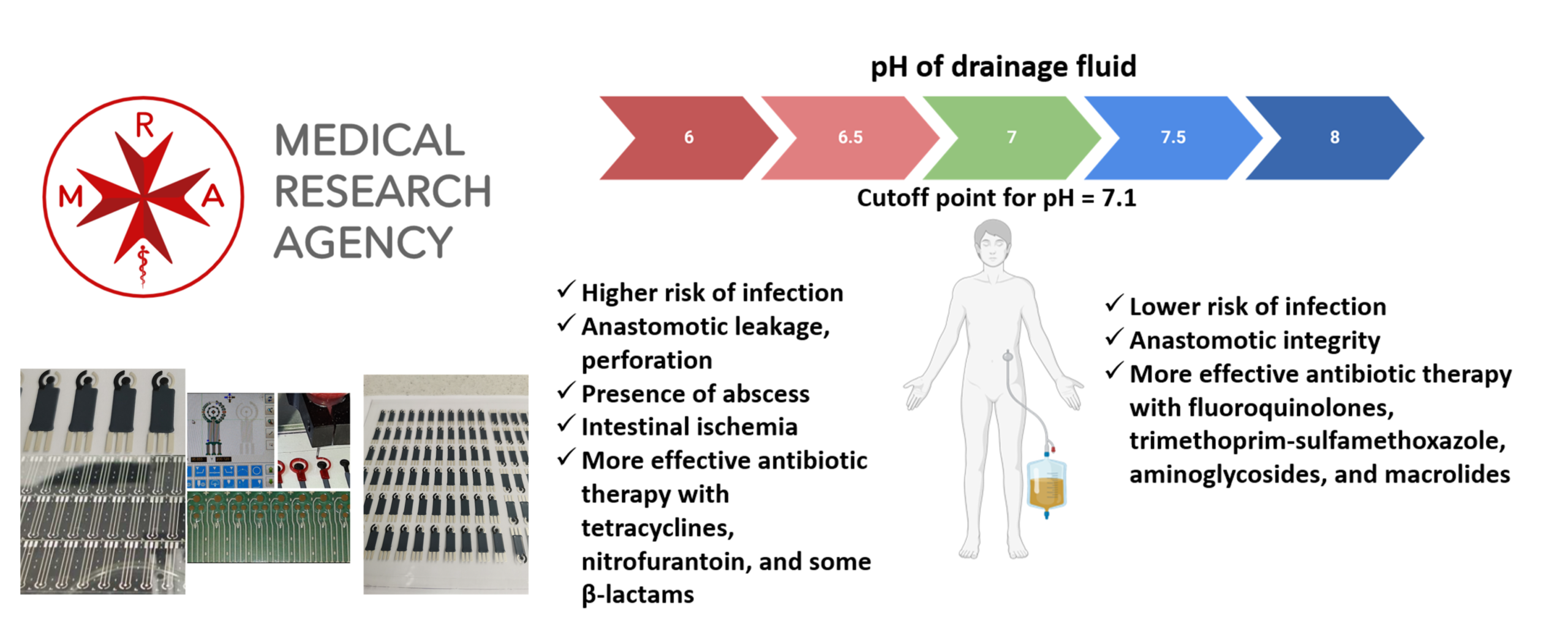
System for continuous monitoring of drainage fluids to assess the progress of treatment in patients with secondary bacterial peritonitis
Project leader: Marcin Urbanowicz, PhD
The aim of the project is to develop a new tool that will enable the monitoring of treatment progress in patients with secondary bacterial peritonitis (SBP) through a miniature pH sensor integrated with a drain, developed at IBBE PAS. SBP is a common and serious life-threatening disease, most often resulting from gastrointestinal tract perforation. The incidence of this disease is 180/100,000 people/year in Poland. SBP requires intensive, often urgent surgical and pharmacological treatment. Despite advances in pharmacotherapy and surgical techniques, this condition is characterized by very high perioperative mortality. In the treatment process, early diagnosis of SBP and the initiation of appropriate treatment, as well as monitoring treatment progress in the postoperative period, are crucial. Monitoring drainage fluids is one of the elements of assessing the effectiveness of the applied therapy, which allows for the early identification of complications. The proposed tool in the project for measuring pH in drainage fluids will enable real-time monitoring of this parameter, which is essential for the proper assessment of treatment progress and rapid response to the patient's changing condition. The project involves the use of advanced direct printing technology to produce pH sensors with high stability and sensitivity, which will be maintenance-free, miniature, planar, and internal liquid electrolyte-free. The project outcomes will contribute to improving the effectiveness of SBP treatment by providing physicians with a tool for better patient condition control, quicker therapeutic decision-making, and for surgeons, it can potentially serve as an additional source of information, including about the tightness of gastrointestinal anastomoses. The project addresses the needs of modern surgical and oncological medicine by offering an innovative and simple solution for monitoring drainage fluids.
Joint Research Projects between the Republic of Poland and France “PHC Polonium” NAWA
Enzyme Based Metal Organic Frameworks for Cancer Treatment
Polish Team leader: Assoc. Prof. Kamila Sadowska, DSc. PhD
French Team Leader: Abdelkader Zebda, Grenoble University, France
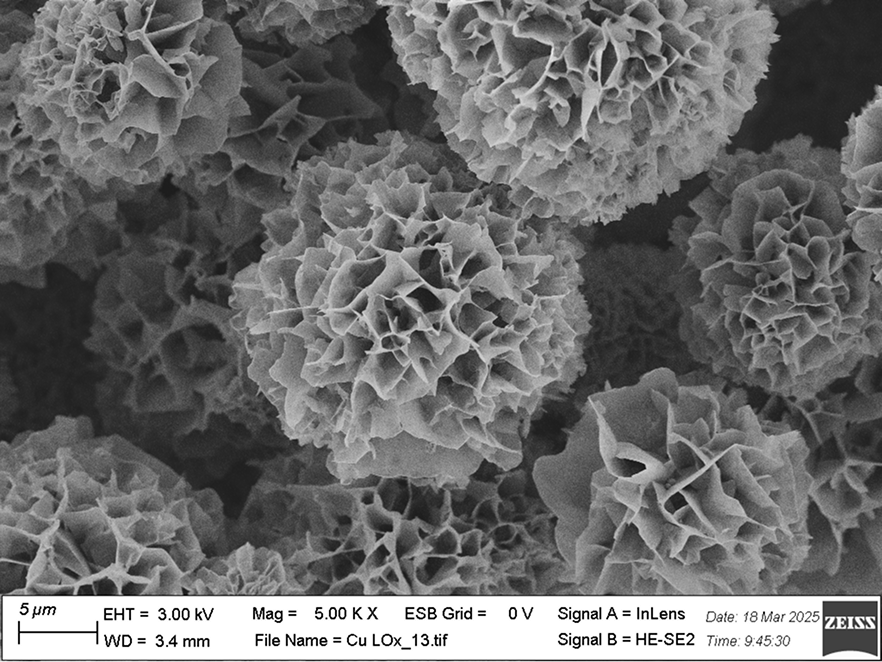
The aim of the project is to develop enzyme-inorganic systems for effective anti-cancer therapy using a biocatalyst. Regulation of lactate levels in the tumour microenvironment may represent a promising approach to control tumour cell proliferation and immune suppression aimed at inhibiting the proliferation of pathological tissue. Lactate oxidase in the presence of oxygen catalyses the formation of pyruvate from lactate, with the release of hydrogen peroxide (H2O2), a compound with high cytotoxicity. The introduction of lactate oxidase into the tumour environment is followed by inhibition of proliferation due to a reduction in lactate concentration and destruction of cells by reaction with the secreted hydrogen peroxide. Unfortunately, the need to administer high concentrations of the enzyme to maintain the required level of enzymatic activity under physiological conditions leads to the release of large amounts of H2O2, also destroying healthy cells. In this project, we propose to develop enzyme-inorganic systems based on lactate oxidase with controlled composition and size (micro- and nanometric dimensions) to effectively target the tumour microenvironment and eliminate the problems associated with the administration of high doses of the enzyme in native form.
NCN SONATA Bis „Study on novel sensing layers for determination of quorum sensing signal molecules"
Project leader: Assoc. Prof. Kamila Sadowska, DSc. PhD
Postdoc: Vu Bao Chau Nguyen, PhD
Doctoral student: Aleksandra Zieminska, MSc
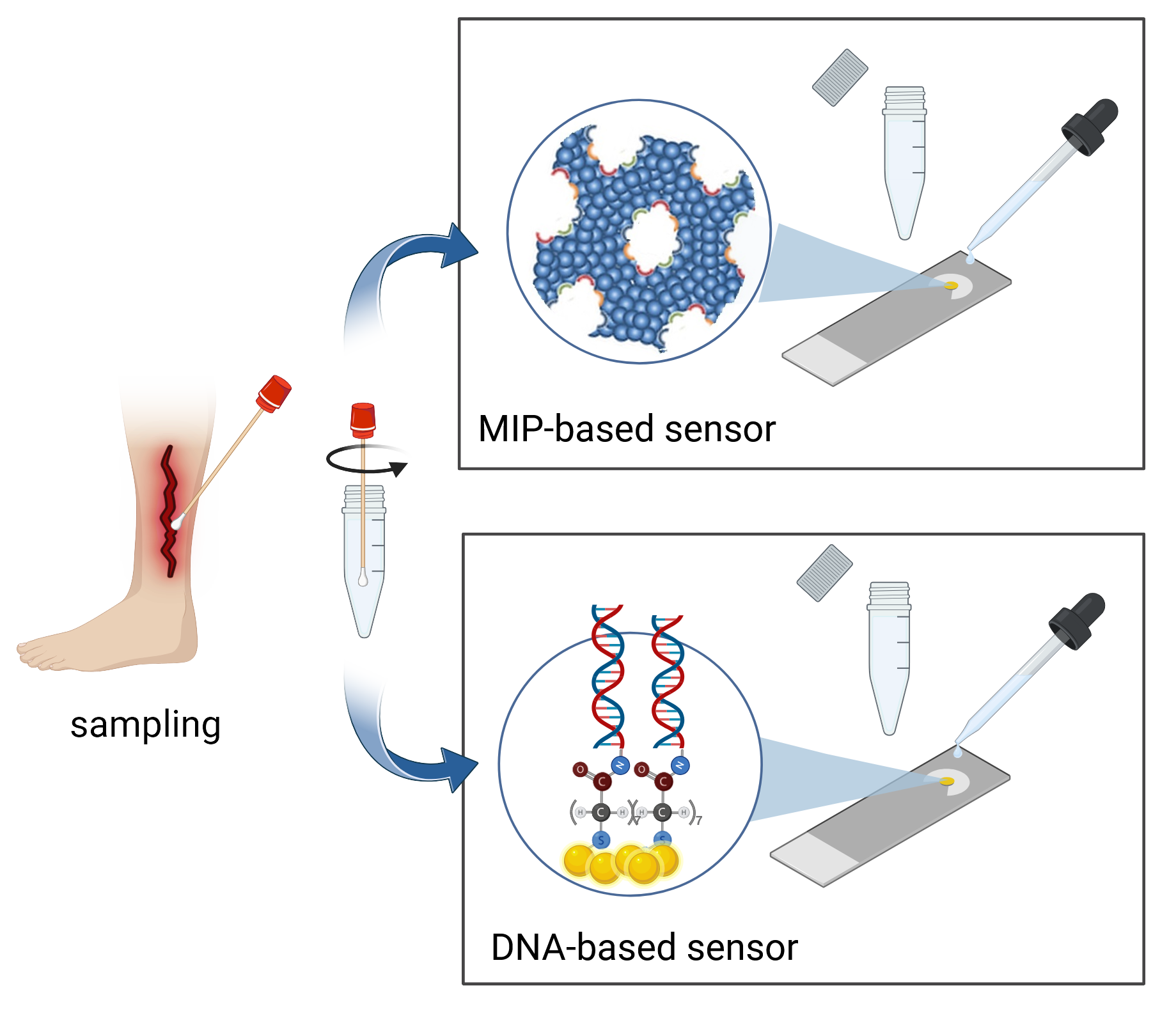
Pseudomonas aeruginosa is a common bacterium responsible for chronic hospital infections, often facilitated by Quorum Sensing (QS)—a communication system that bacteria use to coordinate infection through small signaling molecules called autoinducers. This project aims to develop tools for the rapid detection of autoinducers secreted by P. aeruginosa at the earliest stages of colonization. Early detection will enable swift intervention to disrupt the QS system, effectively preventing infection progression.
Ministry of Science and Higher Education, Science for the society, project entitled: "Local antibiotic delivery systems for the treatment of bone marrow and bone infections".
Head: Assoc. Prof. Kamila Sadowska, DSc. PhD
Executors: Kornelia Bobrowska MSc, Elżbieta Remiszewska, PhD
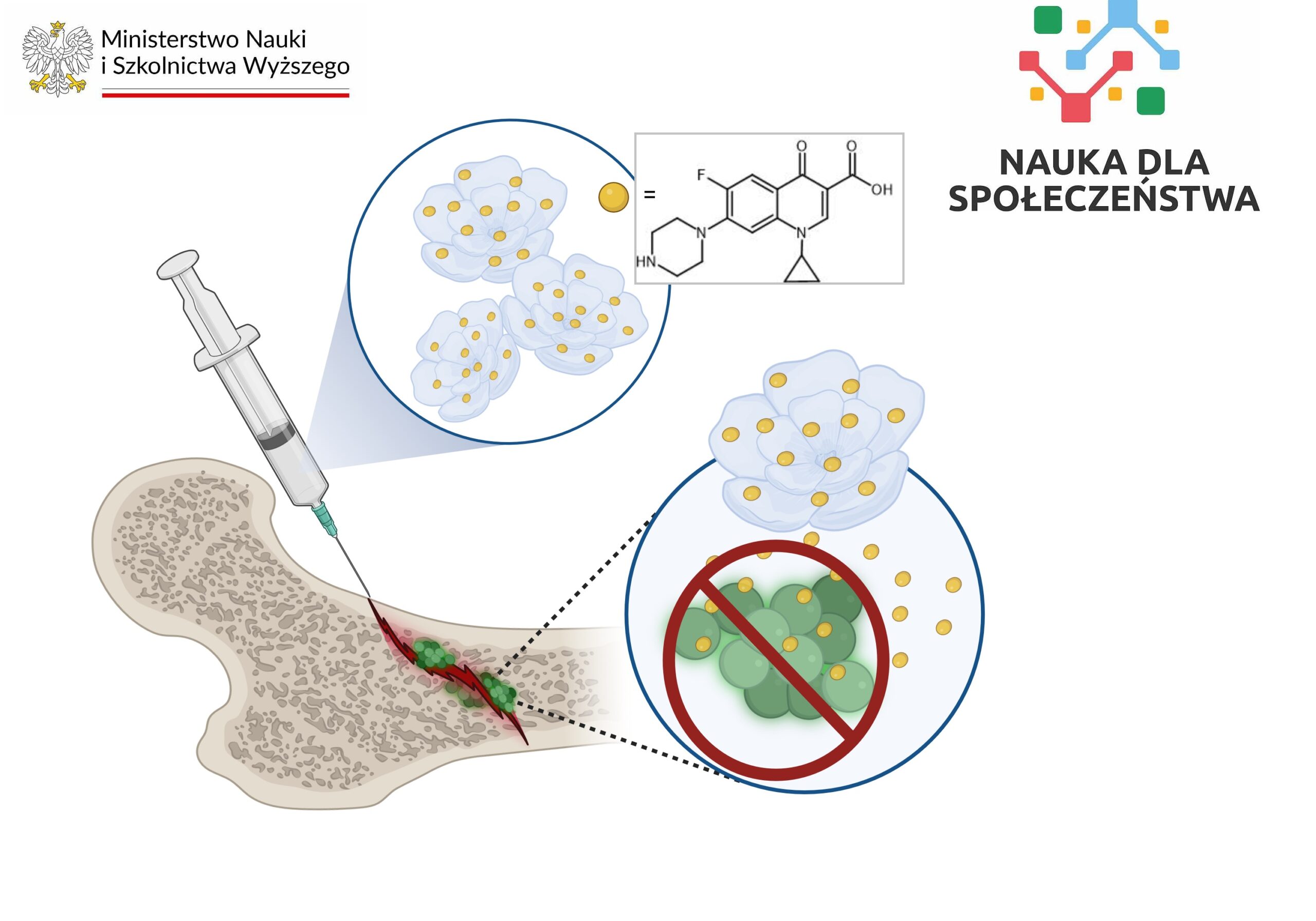
Osteomyelitis, an inflammation of bone tissue and bone marrow, is among the most challenging bacterial infections to treat. This project aims to develop a dual-antibiotic delivery system utilizing vancomycin and ciprofloxacin for localized treatment of bone and bone marrow infections. The innovative approach involves using organic–inorganic nanoflowers that mimic the natural bone structure to serve as carriers for these antibiotics.

NCN, Preludium bis „Electro-conducting nanoarchitectures to assemble (bio)electrocatalytic structures as basis for efficient and stable biofuel cells”.
Project leader: Assoc. Prof. Kamila Sadowska, DSc. PhD
PhD student: Kornelia Bobrowska, MSc
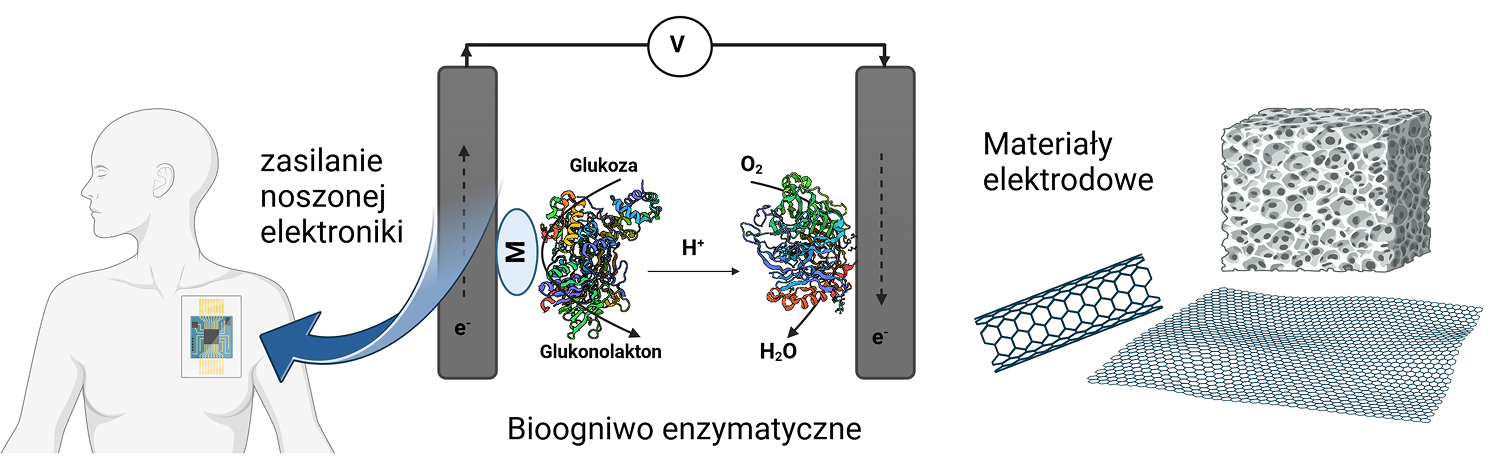
Wearable electronic devices are becoming increasingly significant for both personal use and medical applications, including remote healthcare and the monitoring of physiological parameters. To effectively power these devices, biofuel cells present a promising solution by converting chemical energy from natural, energy-rich components found in body fluids—such as glucose and lactate in human sweat—into electrical energy. This project aims to develop biofuel cells with high power density and stability to serve as reliable energy sources for wearable electronics.
NCN, Prelude bis „Investigating the mechanism of interaction of thiopurines with DNA using nanostructured bioplatforms”
Head: Assoc. Prof. Kamila Sadowska, DSc. PhD
PhD student: Anna Sołdatowska, MSc
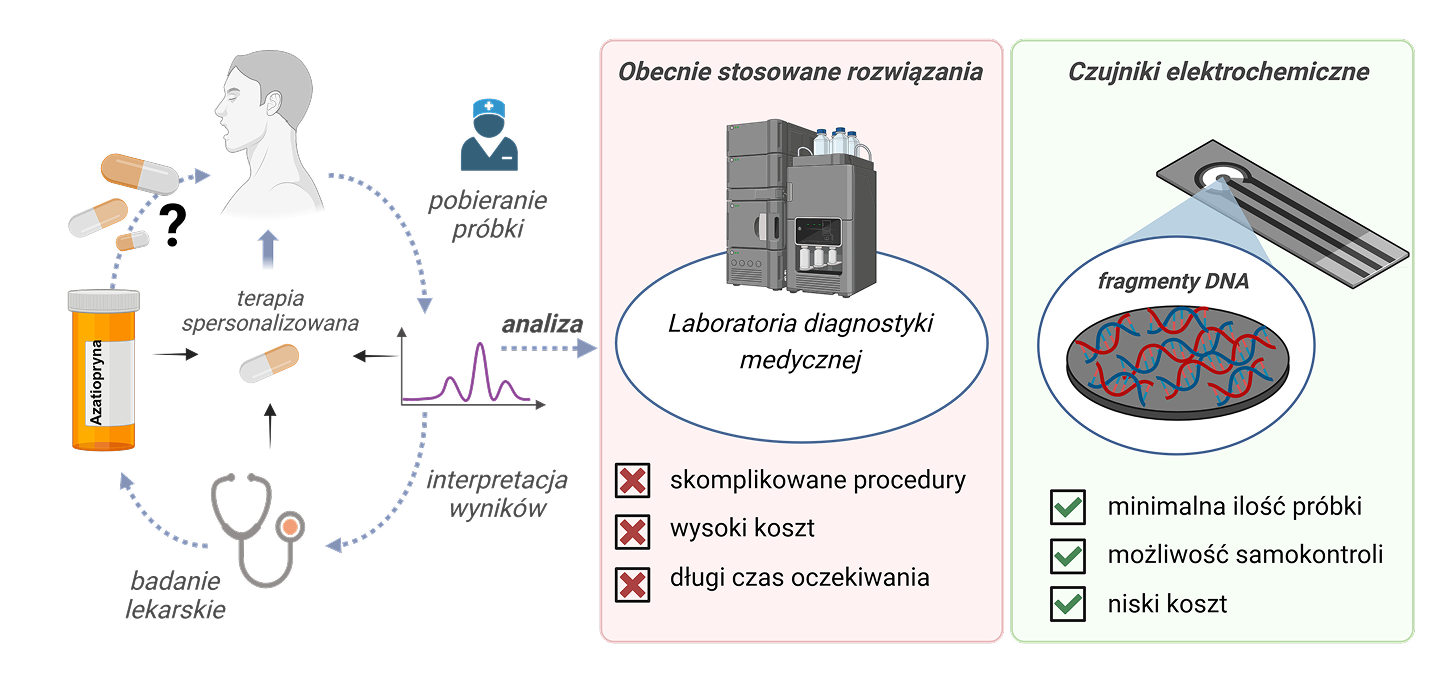
Therapeutic Drug Monitoring (TDM) involves adjusting medication dosages to achieve optimal drug concentrations in the bloodstream, maximizing efficacy while minimizing adverse effects. Azathioprine, an immunosuppressive agent used post-organ transplantation and in treating autoimmune conditions such as lupus, rheumatoid arthritis, and Crohn's disease, requires careful TDM due to its narrow therapeutic window and significant interindividual variability in metabolism. This project aims to develop an electrochemical sensor for the rapid and cost-effective determination of azathioprine and its metabolites, facilitating efficient TDM.
NCBiR. Polish-Taiwanese Project
PHOTOENHANCED MULTIMODAL ELECTROCHEMICAL-OPTICAL SENSING SYSTEMS FOR DETERMINATION OF β-AMYLOID AND α-SYNUCLEIN – EARLY MARKERS OF NDS
Polish Team leader: Prof. Dorota Pijanowska, DSc. PhD
Taiwanese Team Leader: prof. Chia-Ming Yang, Chang Gung University, Taiwan
Executors: Marek Dawgul, Agnieszka Paziewska-Nowak, Elżbieta Remiszewska, Kamila Sadowska, Anna Sołdatowska, Marcin Urbanowicz
Amyloid beta (Aβ) and tau protein are invariant determinants of Alzheimer disease (AD). The amyloid-β(42) is considered as AD biomarker that distinguish between AD and frontotemporal dementia (FTD) patients. The α-synuclein (α-Syn), best known for its role in Parkinson’s disease (PD), has been suggested to be involved in cognition and pathogenesis of AD.
In this project, we propose a screening platform for the determination of selected early, blood occurring biomarkers that differentiate AD and PD. In the screening platform affinity reaction will be used. An objective of this project is to elaborate a novel enhanced photoelectrochemical type biosensing platform for screening tests with simultaneous detection of two early and differentiating AD/PD biomarkers, Aβ(42) and α-Syn.
Intellectual Property
- „Method of modifying carbon materials, especially nanomaterials, with bisphosphonate and/or phosphonate groups” Żelechowska (Sadowska) K., Biernat J.F. - Exclusive rights number 232787
- „Method of manufacturing porous polymer nanocomposites with metal nanoparticles with biocidal properties” Orplast sp. j. and K. Żelechowska (Sadowska) - Exclusive rights number 231680
- „Method of producing ammonium metavanadate” Prześniak-Welenc M., Żelechowska (Sadowska) K. Number of exclusive rights 237761
- „Method of modifying polysaccharides with phosphonium groups” Kamila Żelechowska (Sadowska)-exclusive right number 240817
- „Working point regulator for chemical sensor type ion-sensitive field effect transistor ISFET”. Krzyśków A, Pijanowska D, Kruk J. PL178242, 1996.
- „Silicon ion-selective electrode”. Łysko JM, Pijanowska D, Malinowska E, Jaźwioski J. PL193862, 2007.
- „Semiconductor ion-selective sensor”. Łysko JM, Pijanowska D. PL197601, 2008.
- “Ion-sensitive circuit.” Chung WY, Krzyskow A, Lin YT, Pijanowska DG, Yang JH, TW235236B, 2005.
- “Electronic circuit for ion sensor” Chung WY, Krzyśków A, Lin YT, Pijanowska DG, Yang CH and Torbicz W. US 6,906,524 B2 2005.
- “Electronic circuit for ion sensor with body effect reduction”. Chung WY, Yang CH, Pijanowska DG, Grabiec P, Jaroszewicz B, Torbicz W. US 7,368,917 B2, 2008.
- “Signal redout circuit for amperometric sensor”. Chung WY, Kuo TT, Wang YH, Pijanowska DG, Torbicz W, US 7,663,357, 2010.
- „Planar ion-selective microelectrode and a method of its fabrication”. M. Urbanowicz, M. Dawgul, D. G. Pijanowska; Patent application: P.448894 (2024).
Publications from last 5 years
2026
- Sołdatowska, A., Urbanowicz, M., Urbanowicz, M. et al. Selective determination of 6-mercaptopurine by a platinum nanoparticle-enhanced dsDNA-based electrochemical biosensor. Microchim Acta 193, 279 (2026). https://doi.org/10.1007/s00604-026-08018-2
- Bobrowska, K.; Urbanowicz, M.; Paziewska-Nowak, A.; Dawgul, M.; Sadowska, K. Genipin as an Effective Crosslinker for High-Performance and Flexible Direct-Printed Bioelectrodes. Molecules 2026, 31, 327. https://doi.org/10.3390/molecules31020327
- Swiech, O., Boguszewska-Czubara, A., Golec, P., Głowacka, A., Prześniak-Welenc, M., & Sadowska, K. (2026). Development of Biocompatible Ciprofloxacin-Loaded Zinc-Bovine Serum Albumin Nanoflowers as Nontoxic Platform for Local Drug Delivery. Nanotechnology, Science and Applications, 19. https://doi.org/10.2147/NSA.S574498
- Paziewska-Nowak, A., Urbanowicz, M., Dawgul, M., Bobrowska, K., Sołdatowska, A., Ekman, M., Pijanowska, D.G. Highly stable direct-printed polyazulene-based miniaturized electrode for pH analysis in human body fluids, Biocybernetics and Biomedical Engineering, 2026, 46(1) 40-49, https://doi.org/10.1016/j.bbe.2025.11.008
2025
- S. Luhar, K. Sadowska. Plasma-Tailored SPCEs for Enhanced Surface Reactivity and Electron Transfer: Toward Improved Electrodes. Surfaces and Interfaces 76 (2025) 107943 https://doi.org/10.1016/j.surfin.2025.107943
- K. Prusik, M. Daroszewska, M. Kamińska, D. Jaworski, J. Ryl, G. Leniec, K. Sadowska, M. Prześniak-Welenc. Surface engineering of potassium vanadates: Enhancing photocatalytic efficiency and photocorrosion resistance. Surfaces and Interfaces 76 (2025) 107950 https://doi.org/10.1016/j.surfin.2025.107950
- C-M. Yang et al., A Disposable Solid-State EGFET Chip Integrated With a Mini-Readout System for Multi-Ion and Urea Detection, in IEEE Sensors Journal, vol. 25, no. 14, pp. 26300-26308, 15 July15, 2025, doi: 10.1109/JSEN.2025.3570755.
- A. Soldatowska, M. Urbanowicz, M. Urbanowicz, K. Sadowska, D. Pijanowska. Exploring DNA-6MP interactions to develop a receptor with selective binding properties. International Journal of Biological Macromolecules 305 (2025) 140910.
2024
- Chia-Ming Yang, Chao-Hui Wei, Fuad Ughi, Jia-Yuan Chang, Dorota G Pijanowska, Chao-Sung Lai. High pH stability and detection of α-synuclein using an EGFET biosensor with an HfO2 gate deposited by high-power pulsed magnetron sputtering. Sensors and Actuators B: Chemical. 416 (2024) 136006.
- J. Karczewska-Golec, K. Sadowska, P. Golec, J. Karczewski, G. Węgrzyn. Engineered M13-Derived Bacteriophages Capable of Gold Nanoparticle Synthesis and Nanogold Manipulations. International Journal of Molecular Sciences 25 (20), 2024, 11222
- K. Prusik, D. Jaworski, J. Gumieniak, A. Kramek, K. Sadowska, M. Prześniak-Welenc. Tailoring Physicochemical Properties of V2O5 Nanostructures: Influence of Solvent Type in Sol-Gel Synthesis. Materials 17 (10), 2024, 2359
- M. Szymczak, J. A. Pankowski, A. Kwiatek, B. Grygorcewicz, J. Karczewska-Golec, K. Sadowska, P. Golec. An effective antibiofilm strategy based on bacteriophages armed with silver nanoparticles. Scientific Reports 14 (1), 2024, 9088
- K. Sadowska; M. Prześniak-Welenc; M. Łapiński. Preparation and characterization of bis-phosphonated polycarbohydrates. Biopolymers. 115(5), 2024, e23607
- A. Paziewska-Nowak, M. Urbanowicz, D. G. Pijanowska, Label-free impedimetric sensor based on DNA for selective lactoferrin determination, Sensors and Actuators B Chem., 2024, 405, 135377.
- M. Jakubowska, M. J. Wisniewska, A. Wencel, C. Wojciechowski, M. Gora, K. Dudek, A. Chwojnowski, B. Burzynska, D. Genowefa Pijanowska, K. D. Pluta. Hollow fiber bioreactor with genetically modified hepatic cells as a model of biologically active function block of the bioartificial liver. Biocybernetics and Biomedical Engineering 44 (2024) 9-19.
2023
- M. Urbanowicz, K. Sadowska, L. Lemieszek, A. Paziewska-Nowak, A. Sołdatowska, M. Dawgul, D.G. Pijanowska. Effect of dendrimer-based interlayers for enzyme immobilization on a model electrochemical sensing system for glutamate. Bioelectrochemistry, 152, 2023, 108407. DOI: 10.1016/j.bioelechem.2023.108407.
- Chmayssem, A., Nadolska, M., Tubbs, E., Sadowska, K., Vadgama, P. et al. Insight into continuous glucose monitoring: from medical basics to commercialized devices. (2023) Microchimica Acta. 190, 177. DOI: 10.1007/s00604-023-05743-w
- Urbanowicz Marcin; Urbanowicz Magdalena; Bobrowska K.; Sadowska, K; Paziewska-Nowak, A; Pijanowska, D.G; A novel dsDNA decamer-based electrochemical biosensor for selective determination of irinotecan active metabolite - SN38. (2023) Sens. Act. B. 397, 134701;10.1016/j.snb.2023.134701
- Paziewska-Nowak, A; Urbanowicz, M; Sadowska, K; Pijanowska, D.G; DNA-based molecular recognition system for lactoferrin biosensing. (2023) International Journal of Biological Macromolecules. 253, 126747; 10.1016/j.ijbiomac.2023.126747
- Bobrowska, K.; Sadowska, K; Stolarczyk, K; Prześniak-Welenc, M; Golec, P; Bilewicz, R; Bovine Serum Albumin - Hydroxyapatite Nanoflowers as Potential Local Drug Delivery System of Ciprofloxacin (2023). International Journal of Nanomedicine, 18, 6449-6467 10.2147/IJN.S427258
- M. Nadolska; M. Szkoda; K. Trzciński; J. Ryl; A. Lewkowicz; K. Sadowska; J. Smalc-Koziorowska; M. Prześniak-Welenc. New light on the photocatalytic performance of NH4V4O10 and its composite with rGO. (2023) Scientific Reports; 13, 3946 10.1038/s41598
- M. Wasyłeczko, E. Remiszewska, W. Sikorska, J. Dulnik, A. Chwojnowski. Scaffolds for Cartilage Tissue Engineering from a Blend of Polyethersulfone and Polyurethane Polymers; Molecules 2023, 28(7), 3195
2022
- Urbanowicz, M., Sadowska, K., Paziewska-Nowak, A., Sołdatowska, A., Pijanowska, D.G. Biosensor based on coupled enzyme reactions for determination of arginase activity. Bioelectrochemistry 146 (2022) 108137
- K. Zieliński, B. Lisowska, K. Siewruk, M. Sady, K. Ferenc, M.j Barwijuk, J. Olszewski, K.Anusz, A. Jabłoński, M. Gajewska, P. Okrzeja, M. Michnikowski, D. G. Pijanowska, K. Pluta, E. Remiszewska, M. Darowski, R. Zabielski, A. Liebert, K. Kramek-Romanowska, A.Stecka, M. Kozarski, R. Pasledni, Z. Gajewski, P. Ładyżyński. Automatic air volume control system for ventilation of two patients using a single ventilator: a large animal model study. Scientific Reports 12 (2022) 22591.
Awards
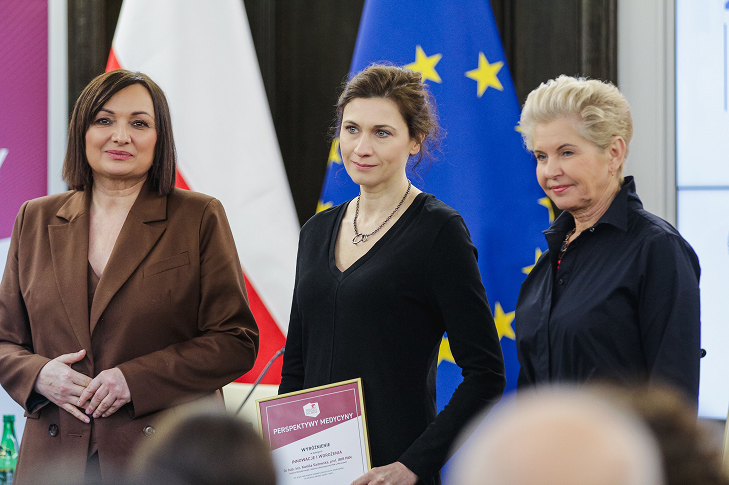
Honorable Mention in the 4th Edition of the “Perspektywy Medycyny”
The chapter of the Perspectives in Medicine competition recognised the work of Dr Kamila Sadowska, Professor at IBIB PAN from the Laboratory of Bio-sensors and Analytical Microsystems. The awards and distinctions are granted for outstanding achievements and innovations in healthcare.
The Perspektywy Medycyny competition, organized by the Fundation “Po pierwsze zdrowie”, aims to promote experts, leaders, and teams that contribute to advancing Polish medicine. It supports positive changes in healthcare, improves the quality of medical care, and fosters pro-health attitudes.
The broadcast of the ceremony is available here:
https://lnkd.in/dWhmdTbE
Scientific Award of the Department IV of the Polish Academy of Sciences
Marcin Urbanowicz, PhD Eng., received the 2024 Scientific Award from the Department IV of Technical Sciences of the Polish Academy of Sciences (PAS) for his outstanding contributions. The award recognized his series of scientific articles on the development of innovative bioanalytical tools.
