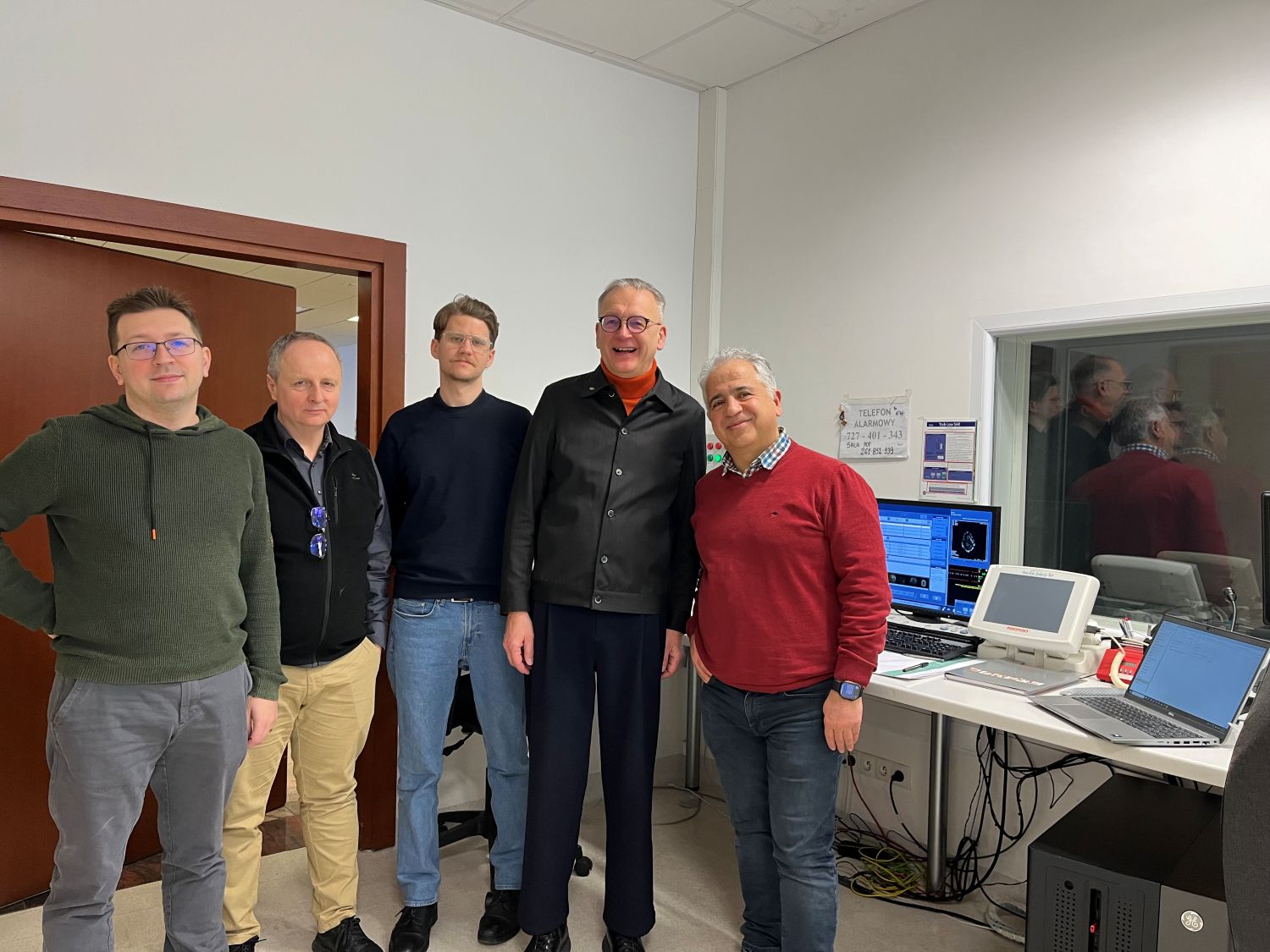
CNSLab team meeting with GE Healthcare – implementation of advanced magnetic resonance techniques into research and clinical practice
As part of nearly ten years of scientific cooperation between CNSLab and GE Healthcare, another meeting was held on 22 January 2026 with Dr Azim Celik, head of GE's European magnetic resonance research and technology department. These meetings are part of CNSLab's strategy of focusing neuroimaging research on practical clinical needs. Collaboration with technology partners creates real opportunities to raise diagnostic standards and conduct innovative research projects. The main focus of the programme was the CEST MRI (Chemical Exchange Saturation Transfer) technique – an advanced imaging method that enables non-invasive, three-dimensional assessment of metabolites and selected chemical compounds present in tissues, without the need for contrast agents. This technique provides information about biochemical processes occurring at the cellular and molecular level, which significantly expands the capabilities of classical structural imaging.
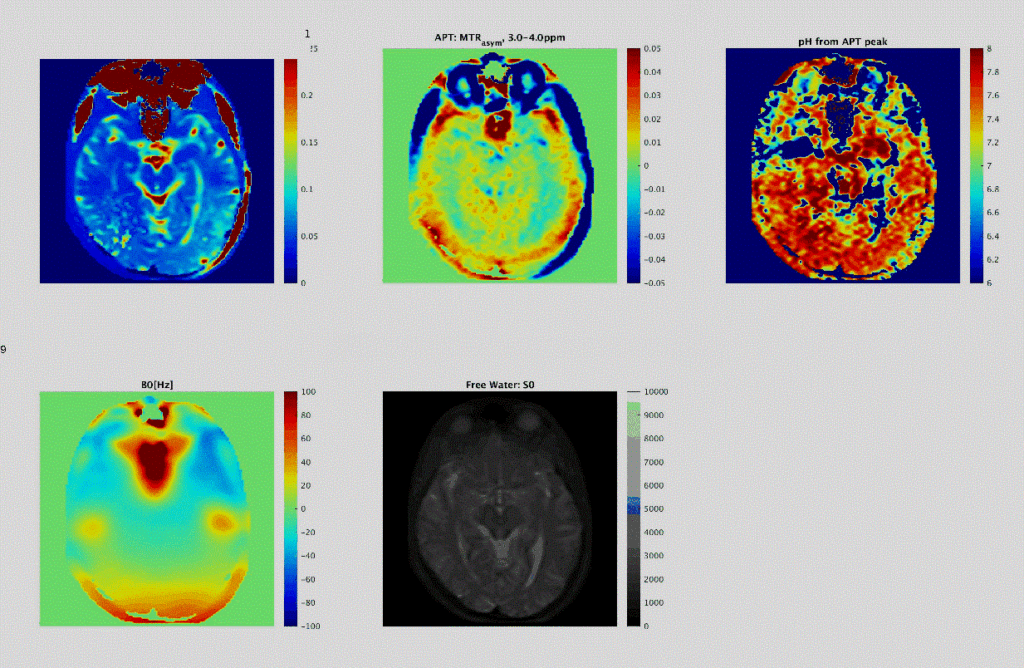
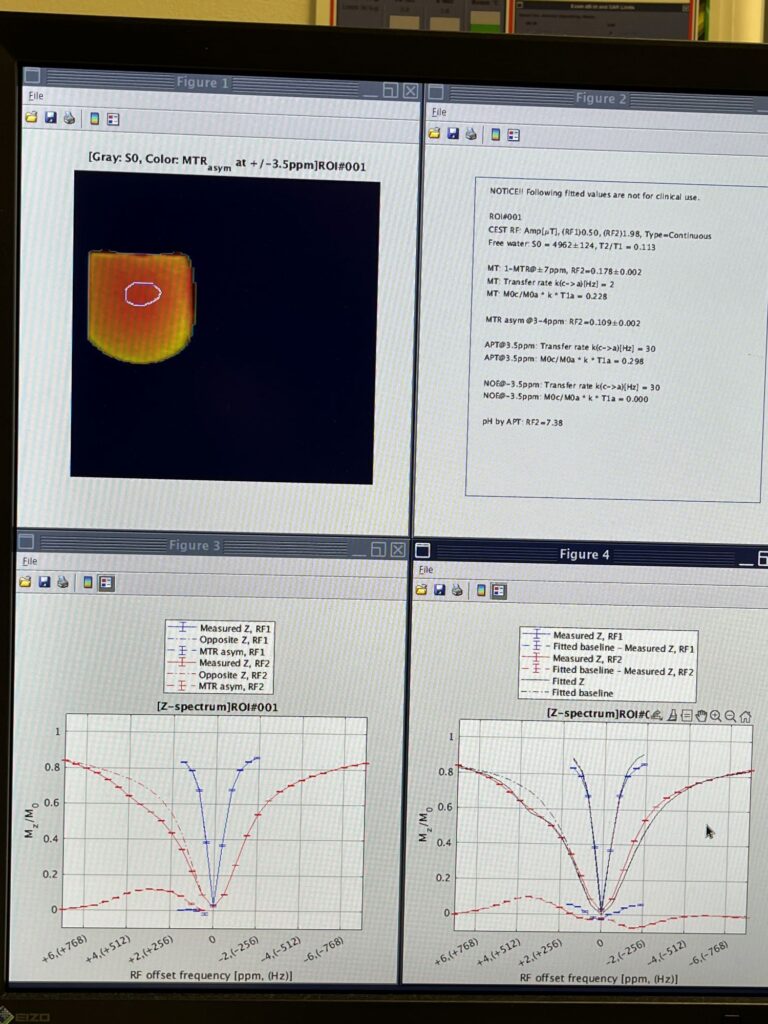
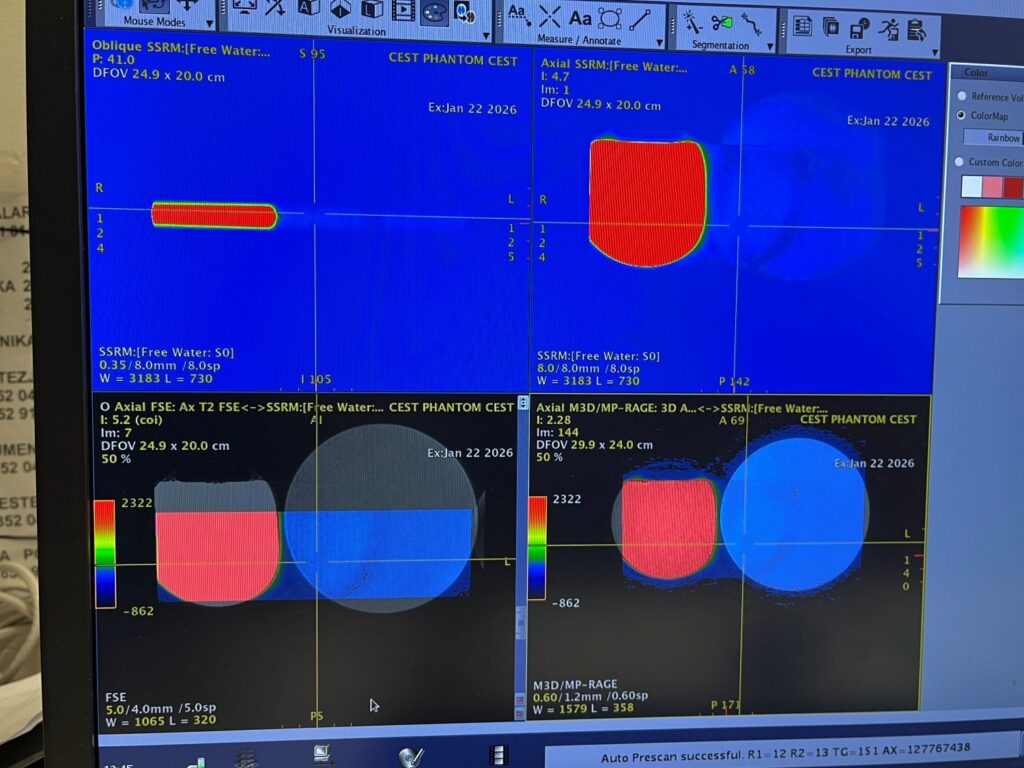
As emphasised by the head of CNSLab, Prof. Piotr Bogorodzki from IBIB PAN: ‘Participating in the implementation of scientific research techniques and being able to configure them independently before applying them in routine clinical trials is of significant scientific value to our team. This type of cooperation significantly strengthens our research potential and enables us to carry out projects at a level comparable to leading international centres.’
The importance of new neuroimaging technologies was also emphasised by Prof. Rafał Rola, head of the Neurology Clinic at WIML: "The introduction of imaging diagnostics of metabolic changes has a direct impact on the diagnosis of disease processes and the monitoring of treatment effects. The use of metabolic imaging can contribute to the earlier diagnosis of brain tumours and the determination of their malignancy. These studies will help identify new biomarkers for dementia and cognitive brain disorders.”
W konsekwencji stwarza to szansę na wcześniejsze wykrywanie zmian patologicznych oraz precyzyjną ocenę przebiegu chorób neurologicznych.
